Timeline

How Omar Abdelmoity claimed the Marshall Scholarship

His strategy worked; Abdelmoity got the scholarship. Next year, he will travel to the United Kingdom to earn an advanced degree in evidence-based social intervention and policy evaluation at Oxford University and a second graduate degree in population health sciences at Cambridge University. In many ways, the Marshall Scholarship, which prioritizes a candidate’s “ambassadorial potential,” is a perfect fit for Abdelmoity, who already has collaborated with and presented to scientists around the globe.

the faculty bookshelf

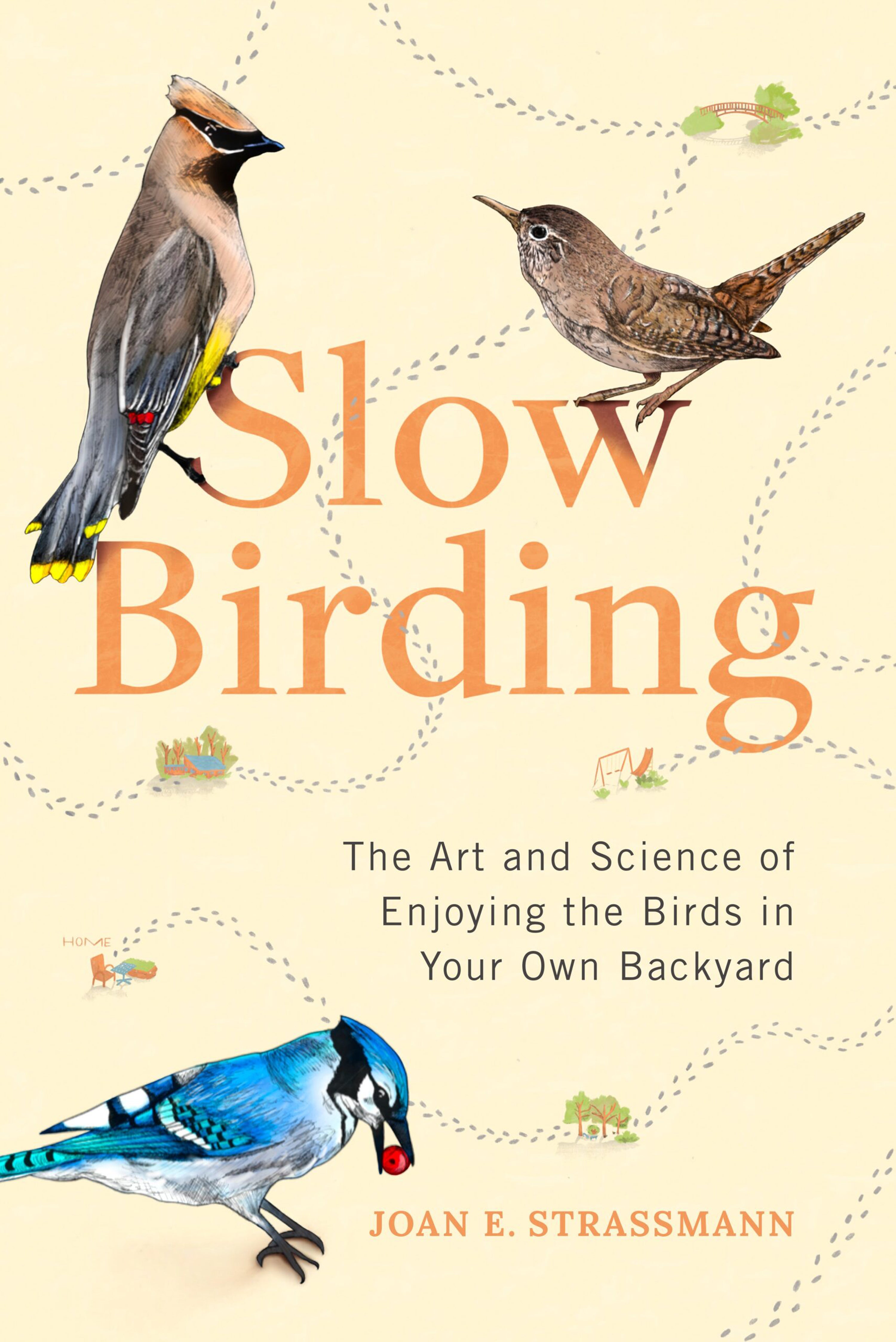
Slow Birding: The Art and Science of Enjoying the Birds in Your Own Backyard

Many birders travel far and wide to popular birding destinations to catch sight of rare or “exotic” birds. In Slow Birding, evolutionary biologist Joan E. Strassmann introduces readers to the joys of birding right where they are.

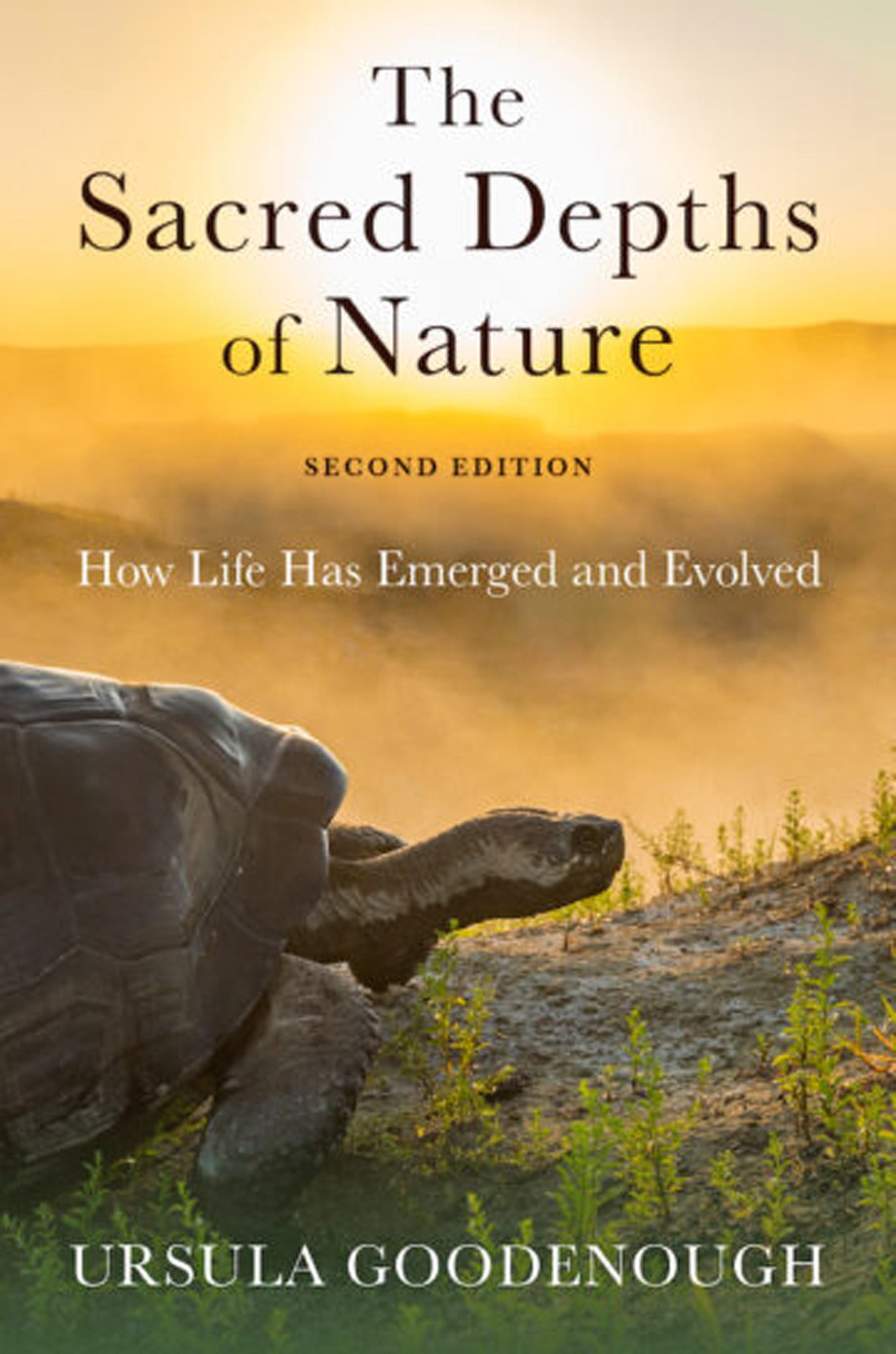
The Sacred Depths of Nature: How Life Has Emerged and Evolved (second edition)

For many of us, the great scientific discoveries of the modern age–the Big Bang, evolution, quantum physics, relativity–point to an existence that is bleak, devoid of meaning, pointless. But in “The Sacred Depths of Nature,” eminent biologist Ursula Goodenough shows us that the scientific world view need not be a source of despair. Indeed, it can be a wellspring of solace and hope.

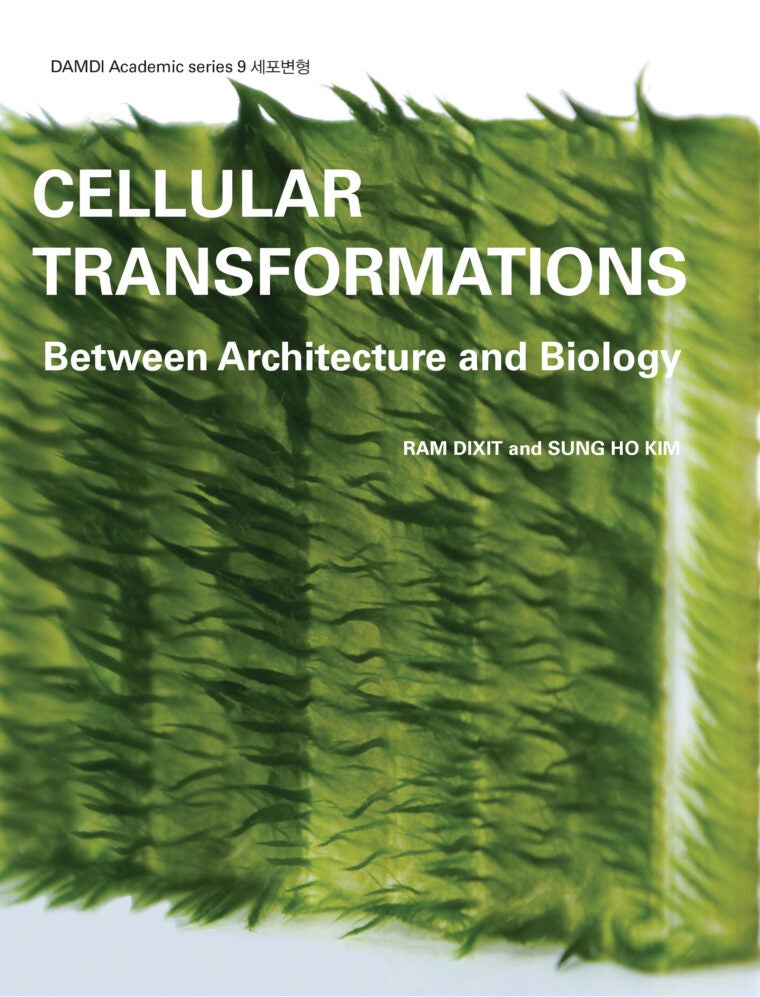
Cellular Transformations: Between Architecture And Biology

“Cellular Transformations” presents a course developed for students who are interested in emerging technologies and cross-disciplinary approaches in design strategies. Relying on how advances in engineering and biology are influencing design production and implementation, professors Ram Dixit and Sung Ho Kim at Washington University in St. Louis explore the premise that structure (or form) and function are inexorably linked in both the natural and artificial worlds. By leading a course of experimentation and research that is embedded in technical and design issues which are transferable to real-world applications, they aim to change our expectations of the built environment.