Timeline

Crothers, Karra awarded Goldwater Scholarship

Karra, who is studying neuroscience in the biology major in Arts & Sciences, aims to be a physician-scientist advancing neuroscience research and translating discoveries into therapies for neurodegenerative disease. He plans to enroll in a MD/PhD program to develop his skills as a clinician while also advancing his research on the molecular mechanisms behind neurodegeneration. Karra currently works in the lab of Tristan Li, an assistant professor of neuroscience and of genetics at WashU Medicine. There, Karra is investigating microglial dysfunction in tauopathy of Alzheimer’s disease. He received a 2025 WashU SURGE Scholarship and presented at the 2025 Society for Neuroscience annual meeting and 2025 MidStates Undergraduate Research Symposium.

Eleven WashU faculty elected to AAAS

Eleven WashU faculty members are among the nearly 500 new fellows selected by the American Association for the Advancement of Science (AAAS), one of the most distinct honors in the scientific community. AAAS is the world’s largest general scientific society and publisher of the Science family of journals. New fellows will be celebrated at a forum May 29 in Washington, D.C.

the faculty bookshelf

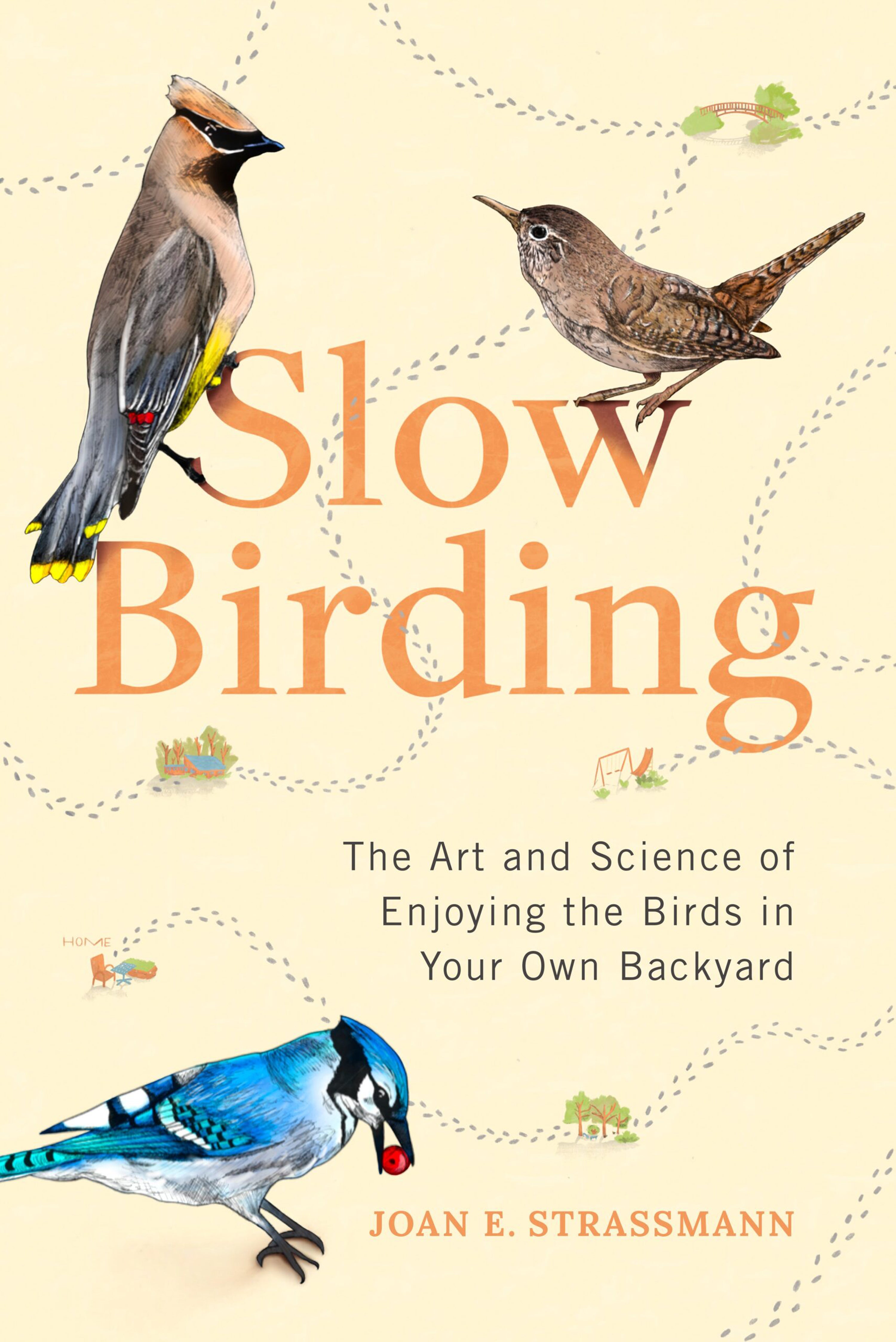
Slow Birding: The Art and Science of Enjoying the Birds in Your Own Backyard

Many birders travel far and wide to popular birding destinations to catch sight of rare or “exotic” birds. In Slow Birding, evolutionary biologist Joan E. Strassmann introduces readers to the joys of birding right where they are.

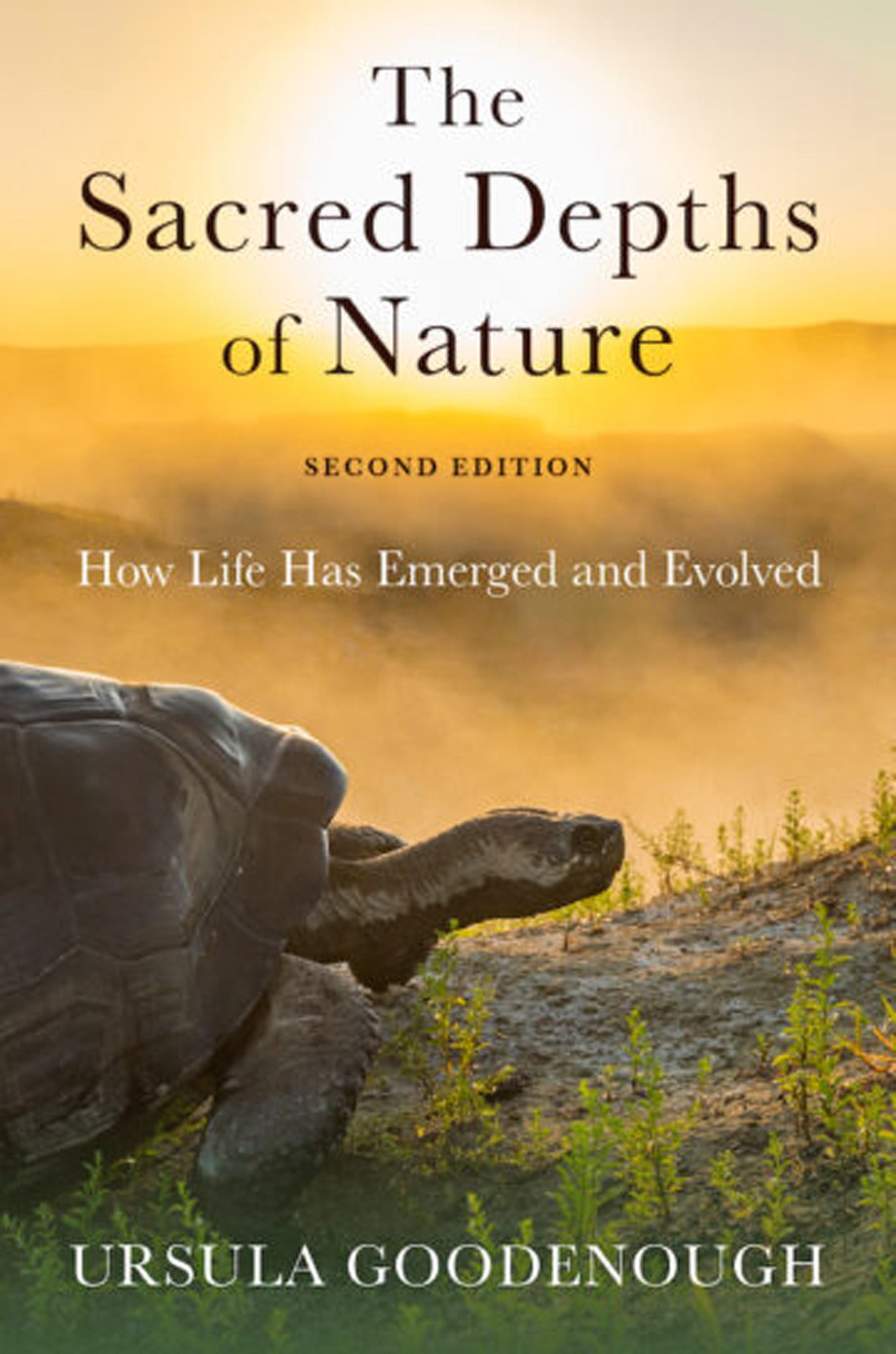
The Sacred Depths of Nature: How Life Has Emerged and Evolved (second edition)

For many of us, the great scientific discoveries of the modern age–the Big Bang, evolution, quantum physics, relativity–point to an existence that is bleak, devoid of meaning, pointless. But in “The Sacred Depths of Nature,” eminent biologist Ursula Goodenough shows us that the scientific world view need not be a source of despair. Indeed, it can be a wellspring of solace and hope.

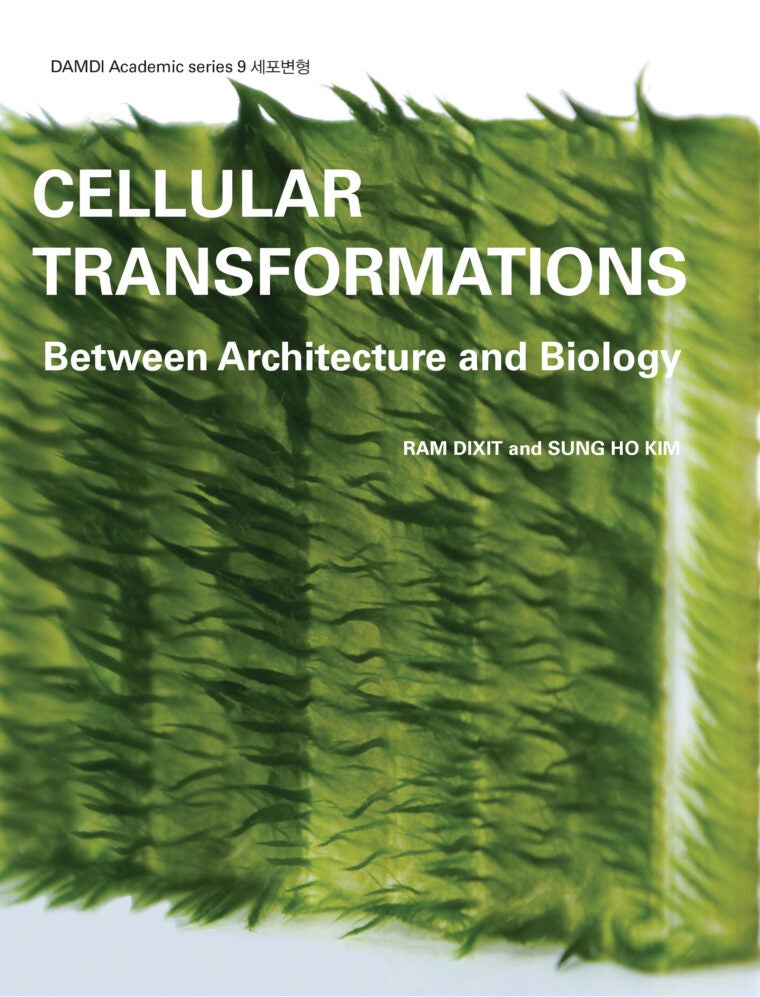
Cellular Transformations: Between Architecture And Biology

“Cellular Transformations” presents a course developed for students who are interested in emerging technologies and cross-disciplinary approaches in design strategies. Relying on how advances in engineering and biology are influencing design production and implementation, professors Ram Dixit and Sung Ho Kim at Washington University in St. Louis explore the premise that structure (or form) and function are inexorably linked in both the natural and artificial worlds. By leading a course of experimentation and research that is embedded in technical and design issues which are transferable to real-world applications, they aim to change our expectations of the built environment.