A reimagining of microbiology education
What began as a small digital internship for microbiology students during the summer of 2020 by Nancy Boury at Iowa State University has grown into a nationwide effort to transform how microbiology is taught. Centered around This Week in Microbiology(TWiM), a top-rated podcast exploring new and exciting primary research papers in the field currently co-hosted by WashU’s own Petra Levin, the project is now supported by the National Science Foundation.
Using TWiM as a common anchor, over 50 faculty from around the country worked with their students to connect individual podcast episodes to curriculum guidelines and core concepts in microbiology, creating annotations that can be used in the classroom.
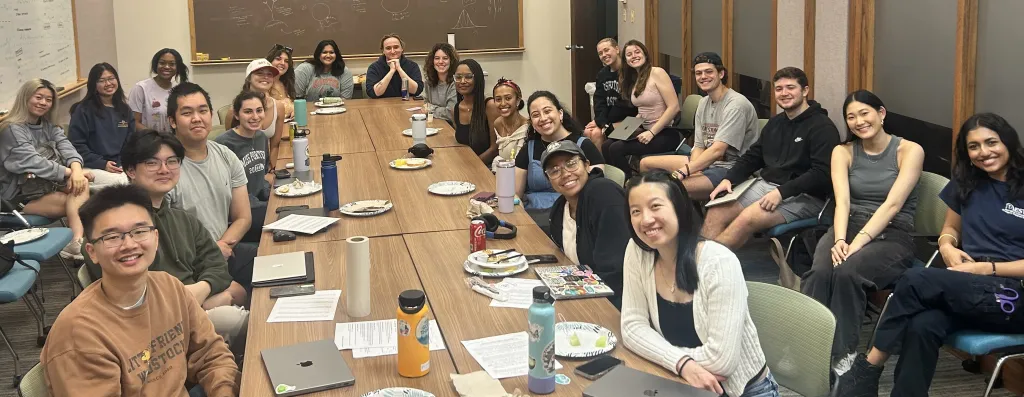
For Maggie Schlarman, Senior Lecturer in Biology and a participant in this project, the annotation process was both structured and collaborative. Her students worked in small groups to choose a TWiM episode, use guided templates, and annotate both the podcast and two key figures from the primary research papers discussed. Along the way, they highlighted what they found most interesting about the podcast and literature, identified important techniques and concepts, drafted learning objectives, and wrote assessment questions.
The impact on Schlarman’s students went beyond learning the facts and figures. “This project gave them more confidence in being able to read, digest, and interpret primary literature,” Schlarman said. Beyond building confidence with research papers, students also gained insight into the work that goes into teaching itself. “This project not only helped these students learn about the process of creating learning objectives and writing questions, which many of them may have to do some day,” Schlarman explained, “but it also gave them an appreciation of how difficult this can be and, maybe, allowed them to understand the work their instructors put into generating the courses they take.”
For Schlarman, faculty collaboration was another major benefit of being a part of the project. “I had the ability to work with and get to know faculty I otherwise may not have gotten to know,” Schlarman said, adding that it expanded her professional network and prompted her to rethink aspects of her own teaching. “It was a great refresher for me,” she noted.
In December 2025, the project culminated in the release of a free, open educational resource (OER) featuring annotations and figure reading exercises for 99 TWiM episodes, 9 of which were done by Schlarman’s students. Each annotation includes episode summaries, topic labels aligned with the 2024 American Society for Microbiology (ASM guidelines), timestamps for key concepts, two figure reading exercises, learning objectives, and multiple-choice questions. Schlarman sees the annotations filling an important niche in microbiology education. “I believe this resource will provide a fun way that students can engage with current microbiology research and begin and/or continue the process of becoming science literate, which is the ultimate goal for students in the sciences,” she said. She also emphasized the value of the resource being free, especially at a time when educational budgets are tight.
Looking ahead, Schlarman believes the project’s impact could extend beyond microbiology. As awareness of the project grows, she hopes it will inspire similar efforts in other fields. “It is adaptable across disciplines, and that is really cool,” she said.
Podcast Annotation and Resources in Microbiology can be found here. The latest episode of TWiM, featuring Maggie Schlarman, can be found here or wherever you listen to your podcasts.